The future of
human-wildlife
coexistence
depends on shared local insights
Promoting human-wildlife coexistence through shared local insights
The Coexist Project is the UK’s first national citizen science programme dedicated to understanding human-wildlife coexistence in near real-time. By coordinating the collection of psychological, ecological, and geospatial data among local volunteers (“citizen scientists”) across the country, the Project creates a shared evidence base for how people and wildlife interact and share the same spaces.
As towns and cities expand and climate change reshapes natural systems, interactions between people and wildlife are becoming more frequent and complex. In response, the UK Government is calling for stronger evidence to assess whether coexistence initiatives are delivering meaningful outcomes.
Meeting this challenge requires a clearer, more connected understanding of what is happening at local, regional, and national levels. However, most initiatives use different methods, focus on either animals or people (rarely both), and are not always designed to be directly comparable between teams. This limits opportunities for shared learning and evaluation of coexistence – a challenge the Coexist Project is designed to overcome.
The Coexist Project collects data and integrates it into a single national repository, allowing information about people and wildlife to be examined side by side. By using consistent methods across all study locations, the Project creates a comparable national picture of coexistence.
The result is stronger evidence for what works, what doesn’t, and why – helping researchers, policymakers, and communities share insights and make better-informed decisions to support people and nature living well together.
“The Coexist Project is building the UK’s first interdisciplinary system to monitor coexistence across the country, bringing together citizen science, technology and standardised methods to understand how people and wildlife share space in near real-time.”
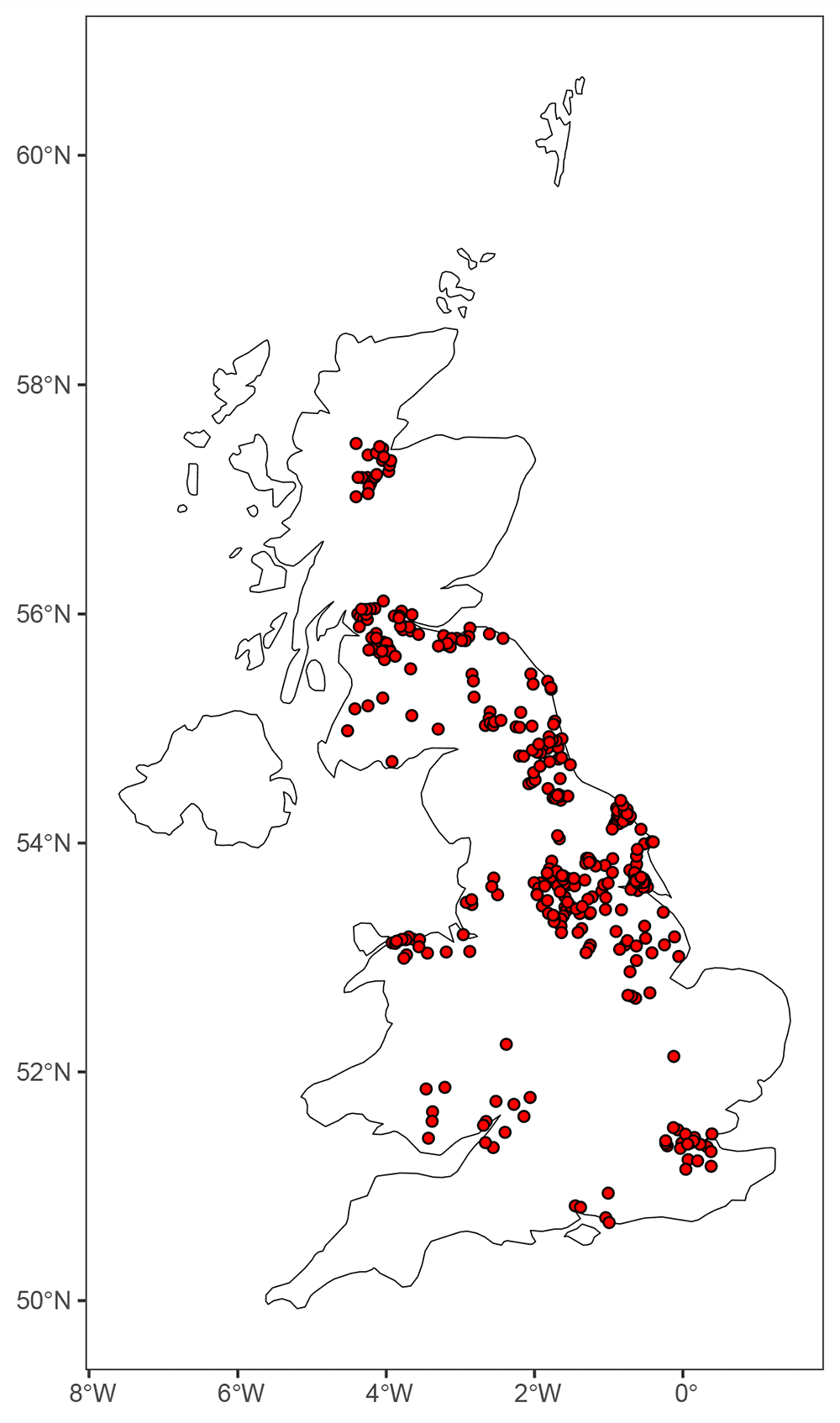
Locations Surveyed to Date by the Coexist Project
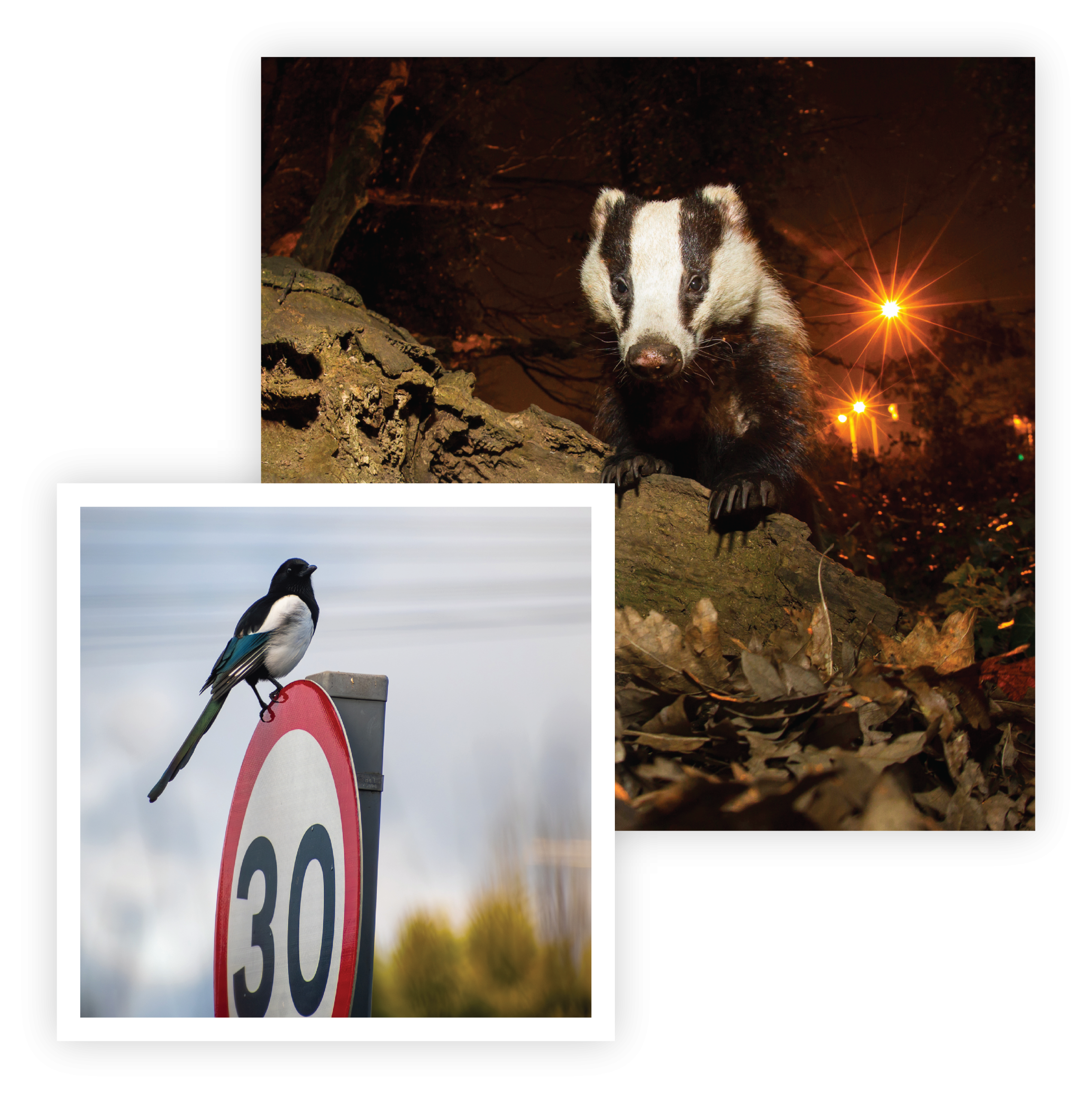
How it works
Local volunteers work in collaboration with researchers and local authorities to help collect ecological, behavioural, psychological, and geographic data within their community to build a multidimensional understanding of what is happening on the ground. This creates two levels of insight:
By taking regular pulses of human-wildlife coexistence across the country, we can help stakeholders:
- Understand people's relationship with wildlife
- Identify what is going well so it can be protected or replicated
- Detect early signs of emerging issues before they escalate
- Avoid decision-making based only on complaints or problems
How this promotes human-wildlife coexistence
The information collected by citizen scientists is integrated into an interactive dashboard, which local and national authorities can use to help support decisions about:
- Wildlife management
- Community well-being
- Planning and local policy
- Improving relationships between people and nature
Why does human-wildlife
coexistence matter?
Human-wildlife coexistence is about people and wildlife living alongside each other in ways that allow both to thrive. It recognises that humans are part of nature, and that healthy wildlife is essential for healthy, resilient communities. Promoting coexistence offers several major environmental, economic, and social benefits:

Protecting Ecosystems & Biodiversity
Wildlife plays a vital role in maintaining healthy ecosystems, such as pollination, seed dispersal, natural pest control, ecosystem engineering, disease regulation, and food web stability. Promoting coexistence therefore helps to protect natural systems that both wildlife and people depend on.

Reducing Economic Costs
Globally, human-wildlife conflicts cost billions of pounds (£) each year through situations such as crop damage, livestock predation, infrastructure damage, disease transmission, and ecosystem degradation. In the UK, human-wildlife conflicts cost over £500 million per year. Finding ways to coexist through simple preventative measures, early detection and monitoring, and long-term management strategies can help significantly reduce these costs, allowing limited resources to be redirected to other pressing social, economic, and environmental priorities.

Supporting Human Health & Well-being
Alongside a global biodiversity crisis, we are also facing a global public health crisis. Humans have a long history of trying to separate themselves from nature, but people and nature are deeply interconnected. Access to nature and positive human-wildlife interactions have been shown to improve mental and physical health, such as reducing stress, improving cognitive functioning, and generating stronger social support. Therefore, coexistence not only protects biodiversity, it can protect human well-being as well.
"Transforming fragmented observations into actionable, locally-informed insights"
— The Coexist Project
About the Coexist Project
Discover the science, vision, and approach behind our citizen science platform for human-wildlife coexistence research.

Our Team & Partnerships
Meet the ecologists, psychologists, and community partners working together to build evidence-based coexistence strategies.

Information for Volunteers
Join our citizen science network. Learn how to record sightings, contribute data, and help shape local wildlife management decisions.

Coexist Dashboard
Explore real-time maps and visualisations of human-wildlife interaction data from communities across Britain.

Advice for Stakeholders
Guidance for councils, NGOs, and land managers on evidence-based approaches to human-wildlife coexistence management.

Publications & Outputs
Browse our peer-reviewed research, policy briefings, and public-facing resources produced by the Coexist Project team.
"Volunteering with the Coexist Project is a very rewarding way to interact with wildlife in our own community. It's amazing to set up cameras and review the footage to see so many different species. It gives you amazing fieldwork skills and strengthens your knowledge on local wildlife. It's also nice to be able to chat with the local community about what we're doing and to listen to their own experiences with wildlife. The Coexist Project is perfect for any wildlife enthusiasts to get involved. I'm thoroughly enjoying my time working on this project!"