About the
Coexist Project
A unique, interdisciplinary citizen science programme designed to improve how human-wildlife coexistence is monitored, understood, and managed in a rapidly changing world.
An interdisciplinary approach to human-wildlife coexistence surveillance
The Coexist Project is the UK's first nationwide, interdisciplinary citizen science programme designed to improve how human-wildlife coexistence is monitored, understood, and managed in a rapidly changing world. Established in 2025, the Project operates in communities throughout England, Scotland, and Wales. It is currently funded through grants from the UKRI Higher Education Innovation Fund and the Ferens Education Trust.
Using machine-learning and an interactive dashboard to analyse data obtained by citizen scientists (see Coexist Dashboard), the Coexist Project is a scalable programme aiming to collect, validate, and integrate multiple kinds of data directly from communities themselves.
The Coexist Project helps to monitor:
- The type, frequency, and quality of human-wildlife interactions occurring in the UK
- How these experiences vary across time and geographic region
- How perceptions and interactions with wildlife shape people's physical, cognitive, and emotional engagement with nature (human-nature connectedness)
- Whether certain perceptions of wildlife are amplified by human cognitive biases or misinformation
These data are integrated into an interactive dashboard and used by councils, NGOs, researchers, and local communities to obtain a "birds eye view" of the data to support locally-tailored coexistence strategies.
The Coexist Project was designed not only to generate better data, but also to strengthen collaboration between researchers, communities, and local authorities. By creating pathways for participation and dialogue, the Project helps to ensure that both people and nature can benefit, rather than being treated as competing priorities. The result is a more transparent, inclusive, and evidence-based approach to human-wildlife coexistence, one that supports local and national authorities by helping them:
- Understand how people and wildlife share space
- Evaluate new or existing coexistence initiatives
- Identify what works, what doesn't, and why
To learn more, please check out the information below as well as the recorded presentations in Publications and Outputs
A world of increasing human-wildlife proximity
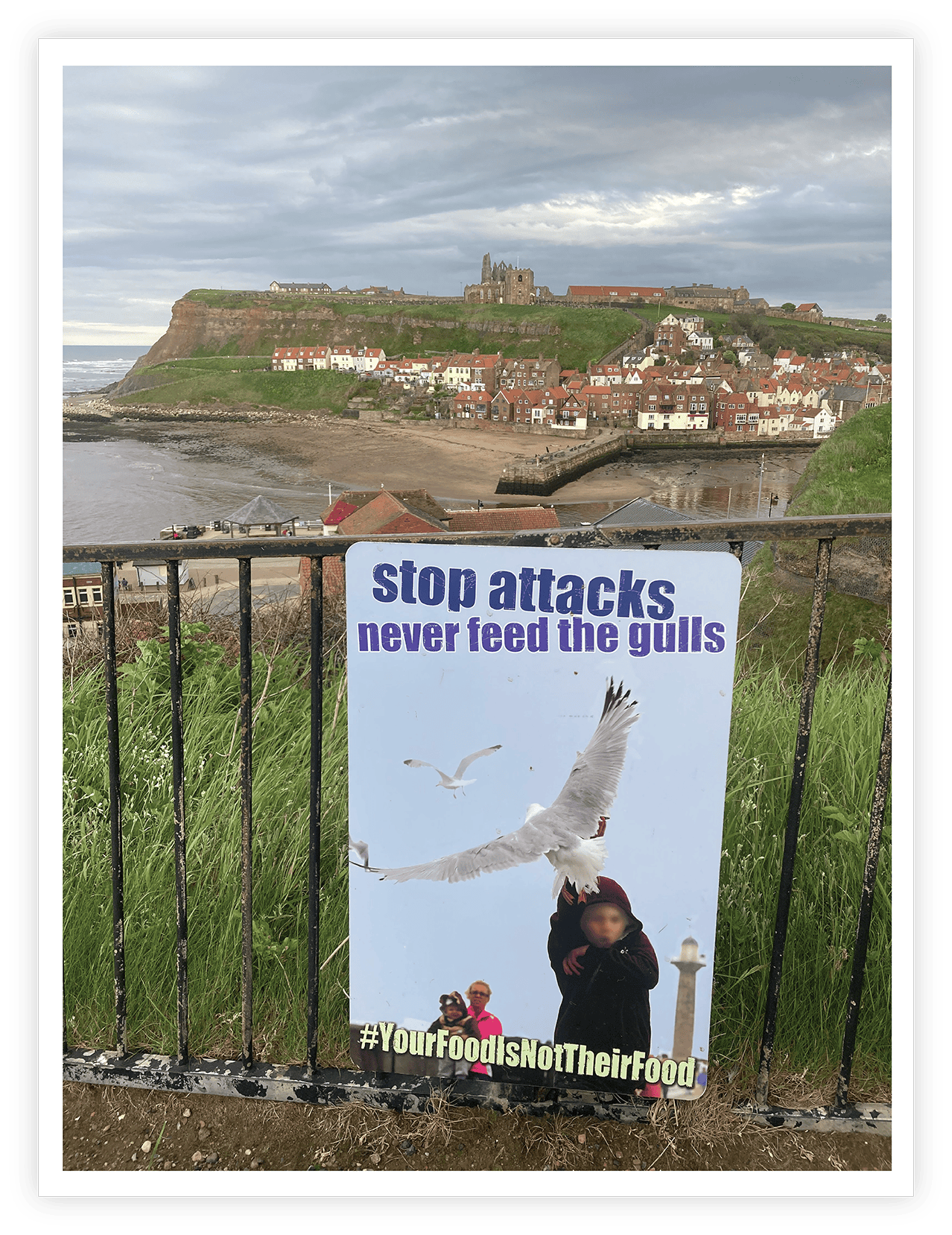
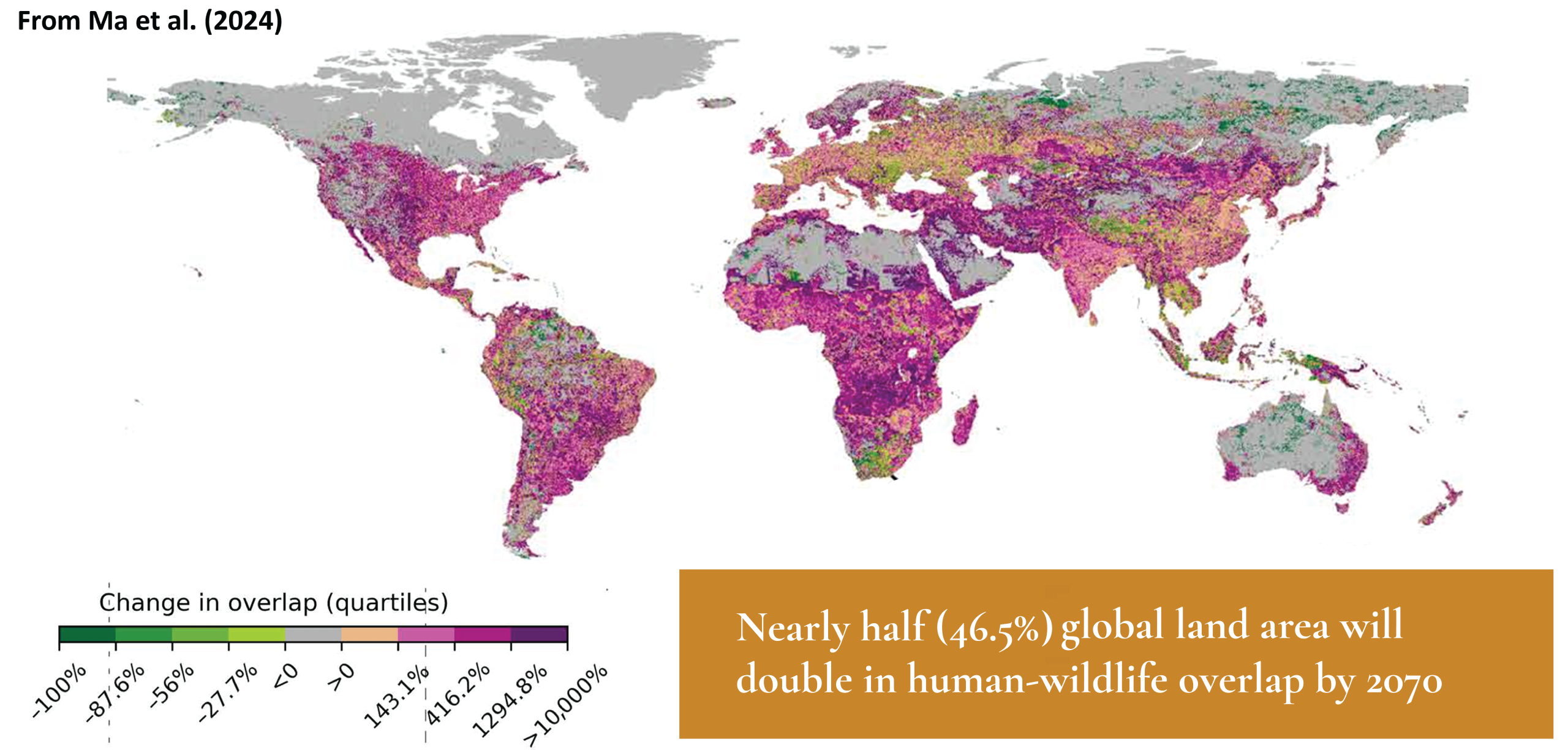
Human-driven environmental changes, such as urbanisation, climate change, and habitat conversion, are increasingly bringing people and wildlife into closer contact. By 2070, human-wildlife overlap will double across nearly half of Earth’s land area. Such changes are leading to more frequent human-wildlife interactions. While most encounters between wildlife and people are positive or neutral, a growing number of interactions can also result in some animals becoming bold, habituated, or reliant on human resources. Such behavioural changes can impact animal well-being, such as poor health from human food provisioning, and can lead to conflicts with people, such as property damage and physical injury. Keeping track of the lived experiences of people and wildlife within these shared spaces is essential for building a future where nature and communities can thrive together.
"The Coexist Project aims to ‘take the pulse’ on human-wildlife coexistence within the UK, building a national picture to help wildlife and people thrive together."
Going beyond conventional human-wildlife coexistence management
Local and national authorities often face considerable challenges to managing human-wildlife coexistence due to limited resources, sporadic reporting, and limited coordinated, data-driven approaches. Most attempts at management:
- Struggle to integrate ecological data with people's lived experiences to provide a more balanced understanding of coexistence.
- Do not capture nuanced patterns in these data, particularly regional and temporal differences.
- Rely on "one-size-fits-all" strategies with very limited local insights, leading to inefficient resource use and suboptimal outcomes.
- Do not collect or share data systematically, limiting communication and comparisons between communities to obtain a national picture.
The Coexist Project is designed to address all of these challenges.
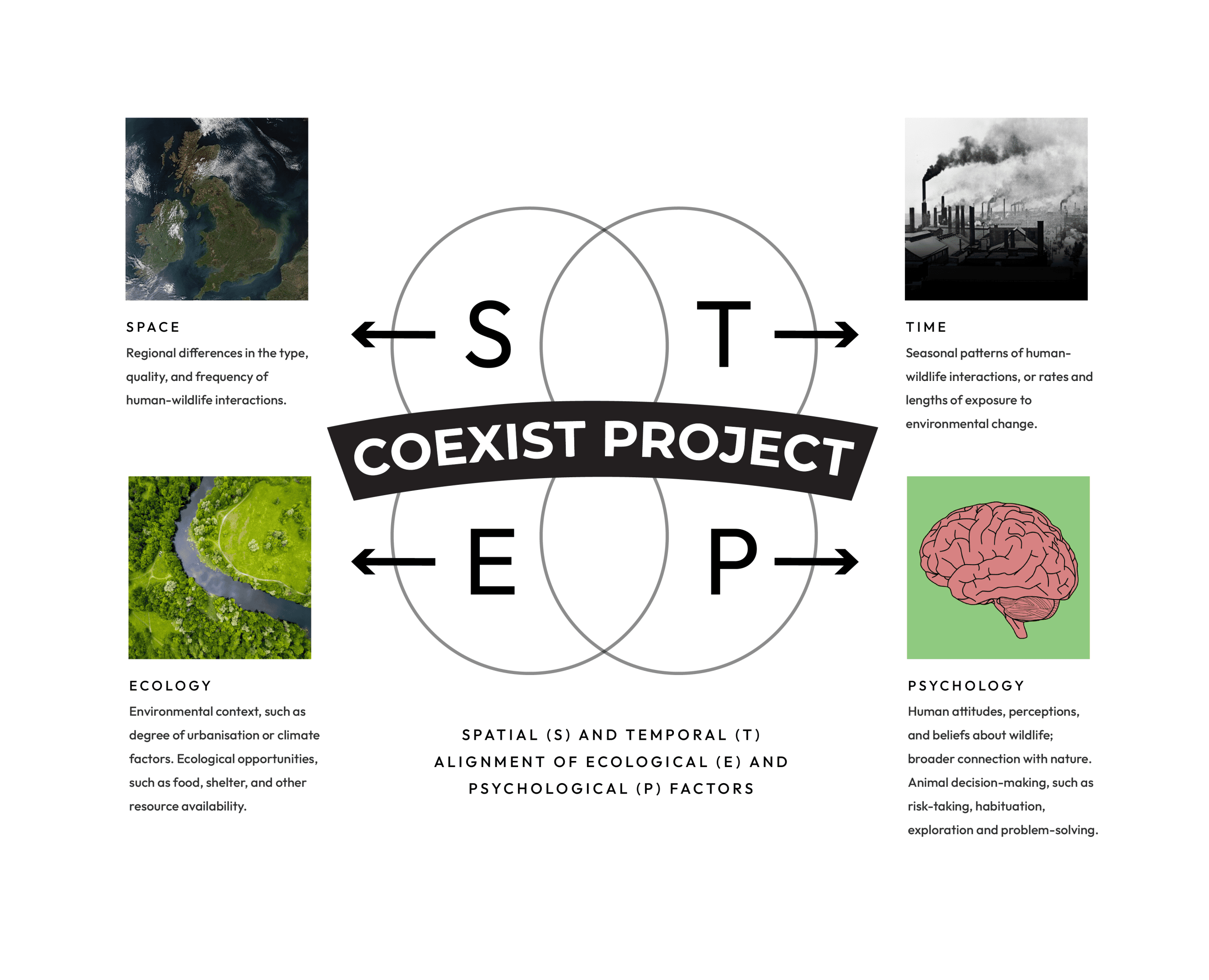
The STEP Framework
Central to the Coexist Project is our unique STEP framework, which uses a memorable acronym to operationalise human-wildlife coexistence across four dimensions: Space (S), Time (T), Ecology (E), and Psychology (P).
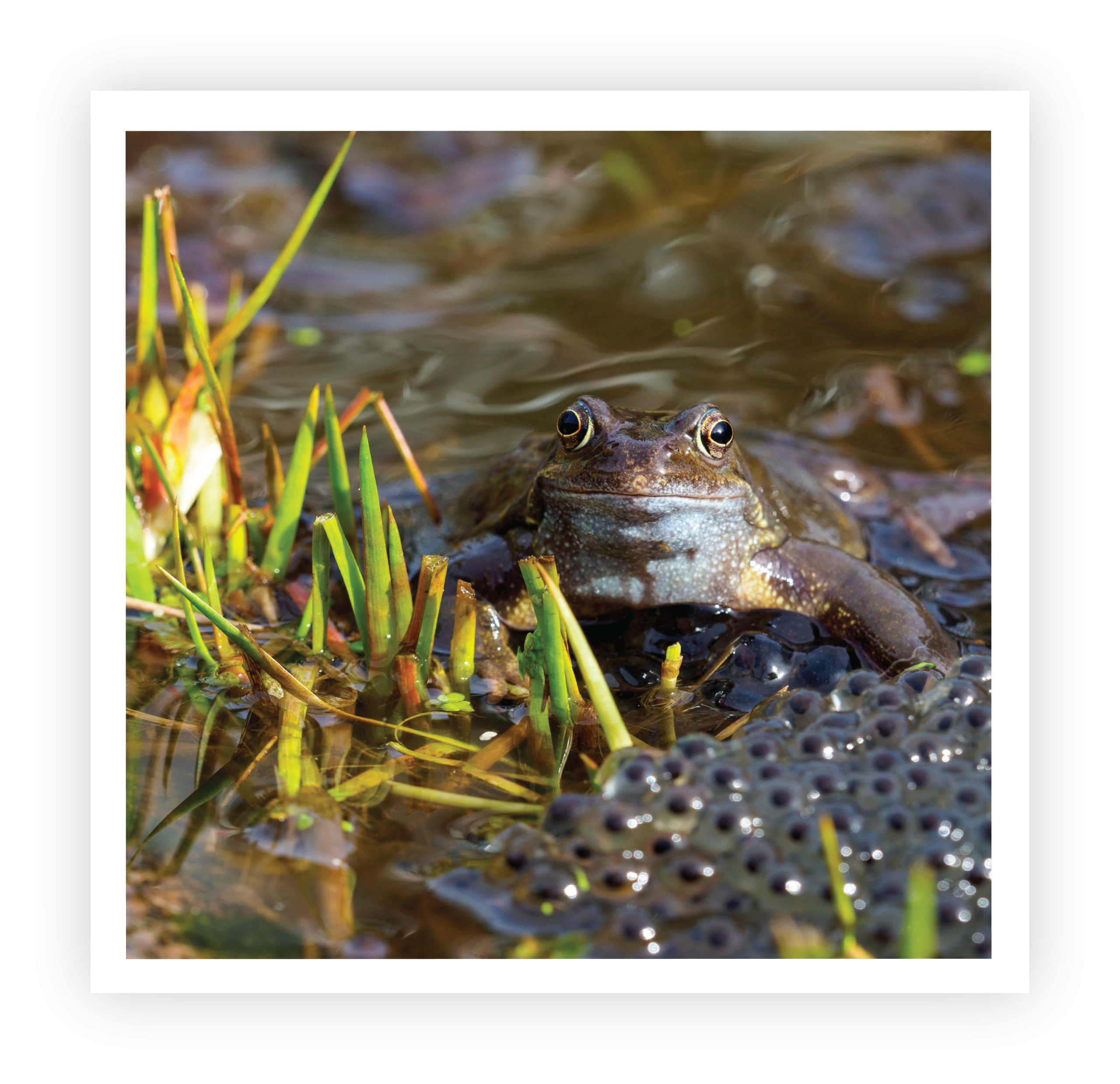
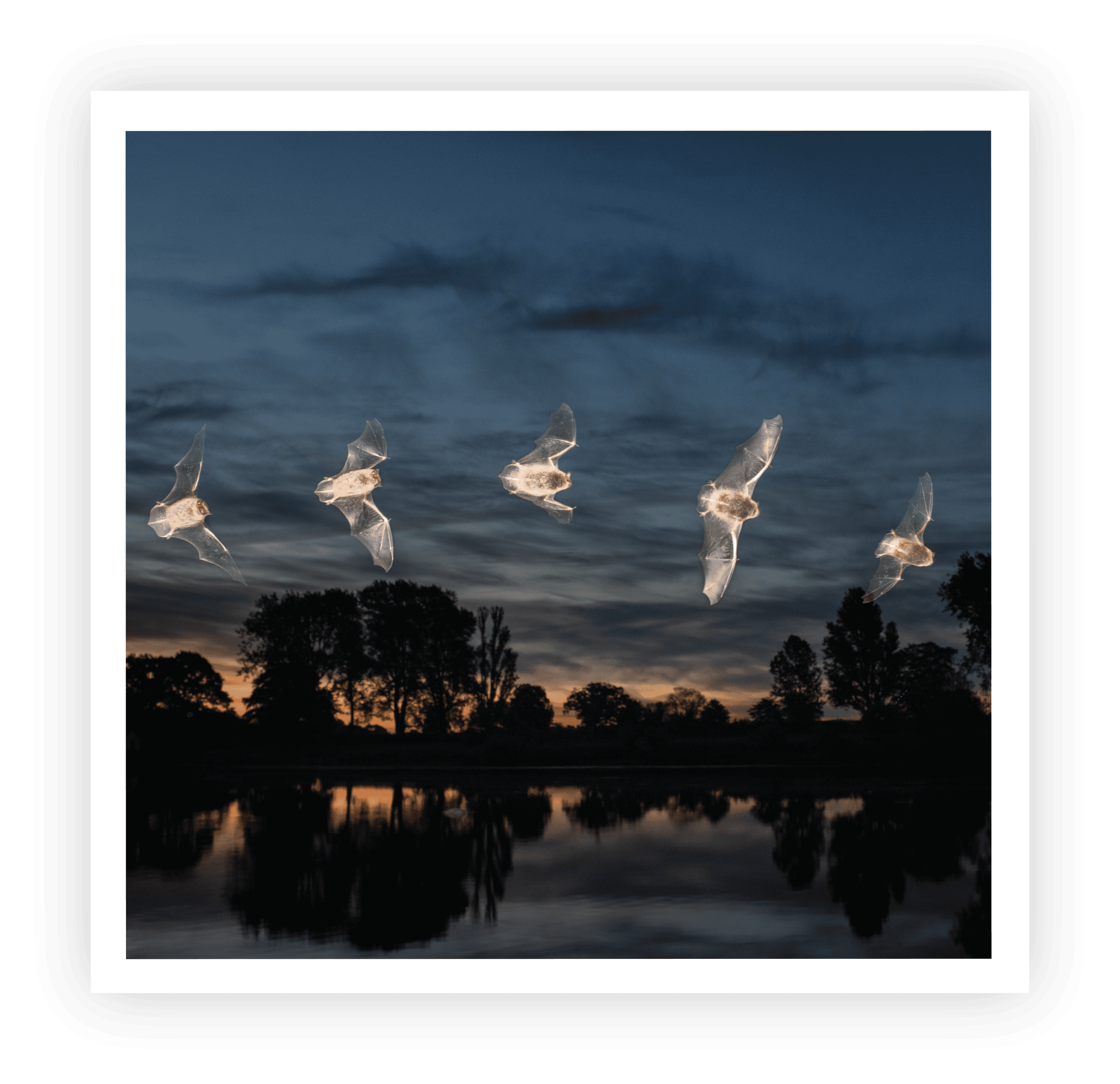
Most approaches to monitoring human-wildlife coexistence focus either on people or wildlife, but rarely both at the same time and place. By contrast, the Coexist Project’s framework is unique by traversing these disciplinary silos, emphasising the value of integrating all four dimensions simultaneously within the same community to deliver more effective, locally-tailored insights. Citizen science and novel innovations, including the use of artificial intelligence, compliment our framework by overcoming the time and resource constraints experienced by many local and national authorities to obtain these data.
Another core part of the Coexist Project is community partnership. Most strategies to monitor human-wildlife coexistence struggle due to inadequate consultation and limited local ownership. However, recent growth in citizen science provides unprecedented opportunities for the public to have their voice heard by collecting rich behavioural, ecological, and spatiotemporal data through technology (e.g., trail cameras) and systematic local observations.
For this reason, we work to promote communication between residents, researchers, and local authorities (e.g., councils and NGOs) to ensure coexistence strategies reflect both scientific evidence and people’s lived experiences. By involving communities in monitoring and decision-making, the Coexist Project creates opportunities for people to actively shape policy so that wildlife and people can benefit from sharing the same spaces.
"I found working with the Coexist Project to be incredibly engaging. Being able to take part in real research that benefits both the local area as well as my own data collection skills was a very rewarding experience."

Our theoretical framework
We developed the STEP framework from a four-year case study on a widely reported human-wildlife conflict (bin-raiding behaviour) in a widespread, heavily sensationalised urban carnivore, the red fox (Vulpes vulpes). This case study (see 'Publications and Outputs') demonstrated a critical gap in conventional monitoring approaches by revealing how cross-referencing four independent data streams (Space, Time, Ecology, and Psychology) can enhance the objectivity and, therefore, reliability of understanding the factors that shape coexistence across communities.
For example:
Data on public attitudes and beliefs about wild red foxes (measured through subjective questionnaires) revealed that negative attitudes and reported use of fox pest control were both related to people's negative experiences with foxes, such as reports of bin-raiding (Morton and Soulsbury, 2026; Adaway et al., 2026).
Spatial analyses of the human questionnaire data revealed that public beliefs about fox bin-raiding were widespread across Great Britain (59.3% of 1,275 respondents), and that London was a particular 'hotspot' for reports of fox bin-raiding (Adaway et al., 2026; Adaway et al., submitted).
Cross-referencing public beliefs with people's lived experiences showed that most people (78.3%) reported having no personal experience with bin-raiding from their local foxes, bringing into question the validity of subjective human reports of fox bin-raiding due to possible bias from broader socio-cultural narratives (Adaway et al., 2026; Adaway et al., submitted).
Data from trail cameras and puzzle feeders allowed us to objectively measure red fox activity and the prevalence of conflict-related behaviours, including boldness, exploration, and problem-solving to exploit human-made objects containing food. Across 284 study locations, most fox activity occurred within or around cities, and certain fox populations – particularly London – were most likely to engage in these conflict-related behaviours despite many ecological opportunities for bin-raiding at other sites based on our behavioural tests and the prevalence of accessible street bins (Morton et al., 2023; Morton et al., 2026; Adaway et al., submitted).
Cross-referencing all of these independent data streams (animal, ecological, and human data) at the same times and locations suggested that real (not perceived) bin-raiding most likely clustered around London rather than being characteristic of all urban fox populations in the UK where public beliefs were widespread (Adaway et al., 2026; Morton et al., 2026).
Management of human-wildlife conflicts is traditionally based either on subjective human reports or species’ proximity to people. However, by demonstrating that widespread negative attitudes and beliefs towards foxes were not necessarily supported by objective evidence of conflict-related behaviour, our red fox case study illustrates why an integrated approach can be used to distinguish genuine ecological drivers of coexistence from potential socially-constructed perceptions.
Crucially, the red fox case study also illustrates how an integrated national picture – based on local insights – can inform the messaging of place-based coexistence strategies:
- Pro-environmental messages about wildlife are often communicated broadly, without accounting for nuanced differences between local communities and people's lived experiences.
- This matters because people are more likely to change their behaviour when messages align with what they already value, believe, or perceive to be true.
- Knowing and understanding your target audience can therefore help identify what type(s) of messages might resonate most within that community.
So, for example, in the case of red foxes:
- If research shows that urban foxes are not the widespread "bin raiders" often portrayed in popular culture, then taking a generic messaging approach to dispel this widespread belief risks being ineffective – and could even undermine trust – in areas where it doesn't align with a community's pre-existing beliefs.
- Instead, where behavioural 'hotspots' are verified, campaigns might frame urban foxes as an important part of urban wildlife and people's opportunities to connect with nature, while highlighting their adaptability and the importance of securing outdoor bins and reducing food waste to promote coexistence. By contrast, where attitudes and beliefs about bin-raiding are shaped by broader socio-cultural narratives rather than direct experience, campaigns might focus on community stewardship and neighbourhood cleanliness without directly challenging the bin-raiding myth.
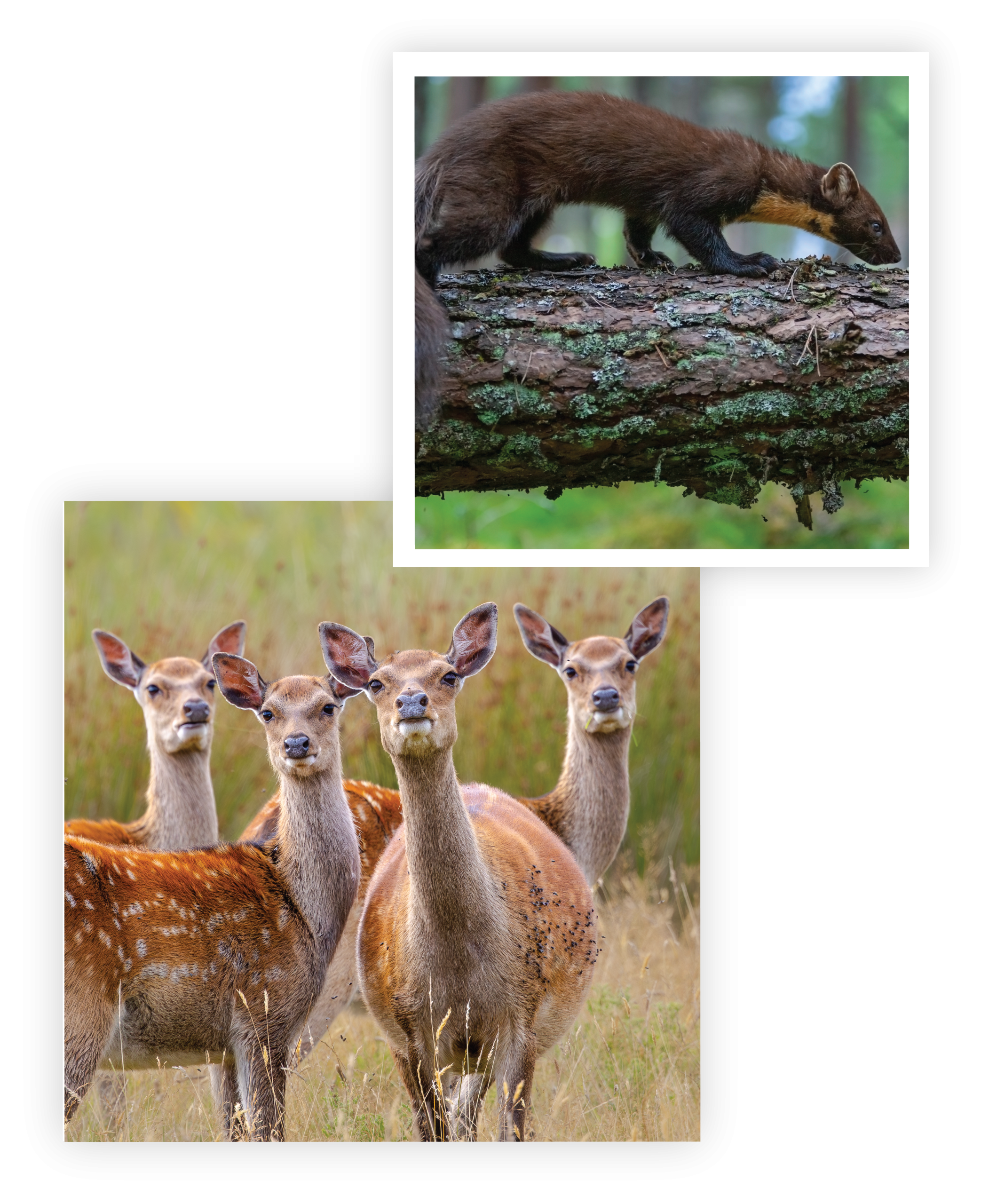
These same principles can be applied to a wide range of other coexistence challenges in the UK, such as recovering predators (e.g., pine martens and chickens), reintroduced species (e.g., Eurasian beavers and habitat damage/flooding), and disease management (e.g., bovine tuberculosis and badger culling). In these and many other cases, public resistance to coexistence is often shaped by sensationalised narratives or misconceptions, highlighting the value of obtaining local insights on both wildlife and people to inform place-based conservation.
Since managing human-wildlife coexistence often sits at the local or regional authority level, these decision-makers need a broader evidence base to ensure their responses are proportionate and well-targeted.
By sharing insights across communities, it becomes possible to distinguish genuinely local circumstances from broader trends, helping to ensure that resources and strategies are directed to where they will have the greatest impact.
"Building on the success of this foundational work, the Coexist Project aims to scale up this approach to many other species within the UK, with the STEP framework embedded at the heart of the programme."
Building a future where communities lead
Our long-term vision is to advance the technical and practical feasibility of monitoring human-wildlife coexistence within the UK by scaling the Coexist Project across different species and geographic regions. We believe long-term coexistence between wildlife and people depends not only on interdisciplinary innovations, but on empowering communities to become active stewards of the environments they live in. Ultimately, we seek to redefine how human-wildlife coexistence is monitored and managed by creating a future where:
- Management strategies are locally-tailored, not generic.
- Communities can participate directly in monitoring and decision-making.
- Councils, NGOs, and other local and national authorities can proactively share and use these local insights to identify and manage coexistence hotspots in near real-time.

Research conducted to the
highest standards
The Coexist Project has received ethical approval from the Research Ethics Committees of the University of Hull and the University of Lincoln (Ref: FHS-25-26-091 and 2026_23167). The Project complies with all UK GDPR regulations, the Data Protection Act 2018, and follows all guidelines from the Association for the Study of Animal Behaviour and the British Psychological Society.

Data & Privacy
Human participation is fully voluntary with informed consent, anonymised questionnaire data, and the right to withdraw at any stage before publication. All data and footage are securely stored with cybersecurity controls; full raw datasets are accessible only to the core Project Team and trusted local authorities who need the data for conservation planning.

Citizen Scientists
Citizen scientists receive training in data collection and are supported through workshops and one-to-one communications. They sign a code of practice outlining policies for ethical data collection, confidentiality, and responsible engagement. We champion strong EDI and accessibility practices in recruitment, training and participation.

Wildlife Welfare
All wildlife is free-ranging and studied non-invasively using trail cameras placed away from public view, with clear signage and contact information. Data are collected on land where landowner permissions have been secured.

Responsible AI
Our use of machine-learning analytics follows all UKRI Responsible Artificial Intelligence principles, including transparency, accountability, fairness, explainability, bias detection, and uncertainty quantification. Outputs are co-developed with councils and NGOs to ensure responsible, accessible communication.