Our Team &
Partnerships
An interdisciplinary team of spatial ecologists, psychologists, computer scientists, and conservation practitioners – united by a shared commitment to evidence-based coexistence.
The people driving coexistence research
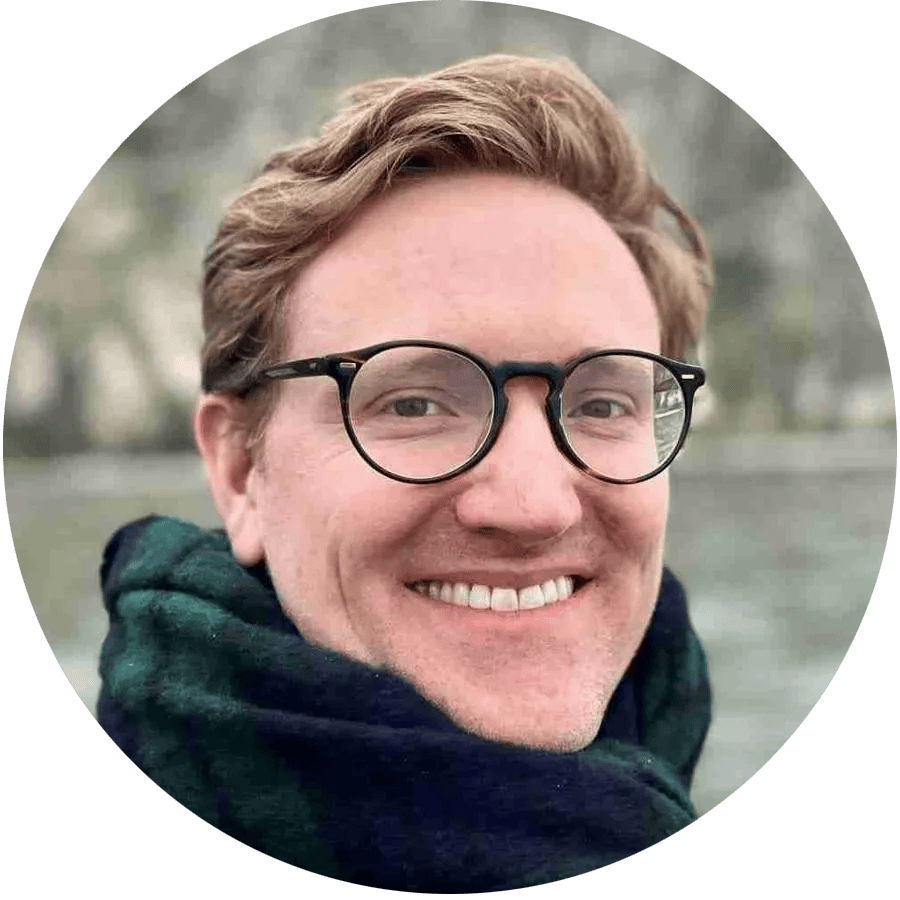
Dr Blake Morton is the founder and lead of the Coexist Project, and a Lecturer in animal and human behaviour at the University of Hull. Formally trained in zoology and psychology, he specialises in human-wildlife interactions and has worked with different conservation groups across the UK, Africa, Asia, and the Americas, including partnerships with organisations such as WWF and the Wildlife Trusts.
His work has informed conservation policy and practice, including contributions to IUCN best-practice guidelines, the STRANGE framework for animal behaviour research, the Badger Trust's national monitoring and bovine TB policy work, and EU-level discussions on animal welfare and fur farming. His work has also reached global public audiences of over 31 million people through major media coverage, such as BBC, The Guardian, Springwatch, and National Geographic.
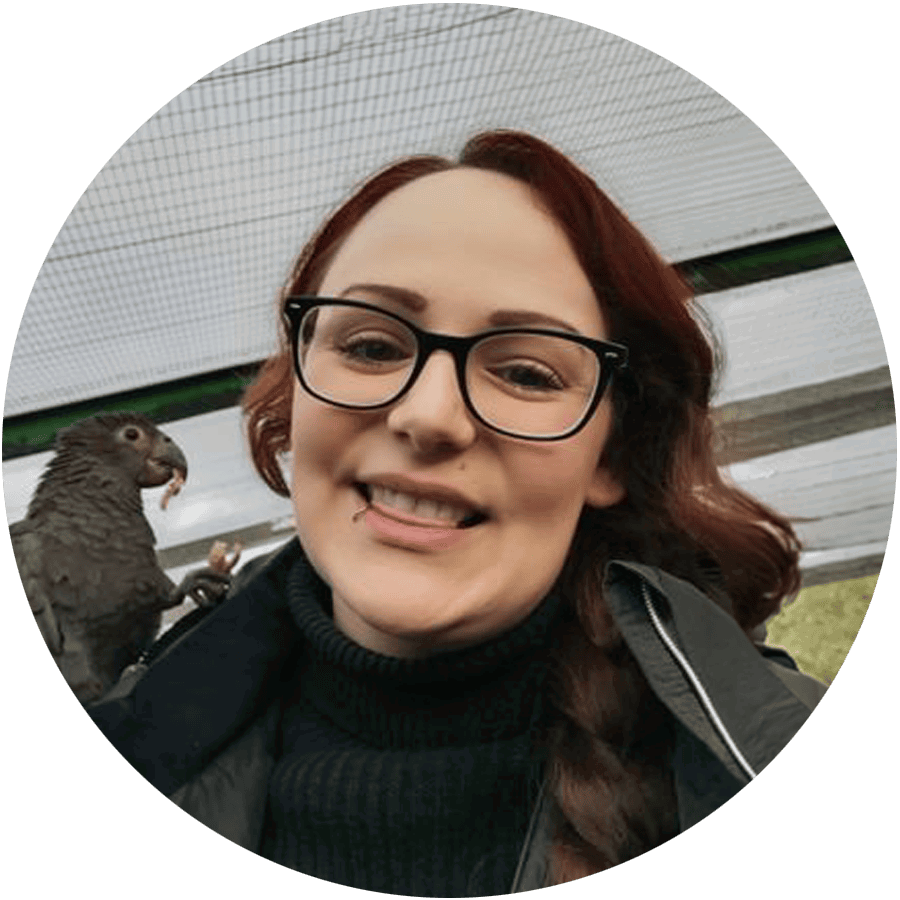
Dr Kristy Adaway is a conservationist specialising in wildlife behaviour, social science, and human-wildlife conflicts. She completed her PhD in 2026 under the supervision of Dr Blake Morton, with a fully-funded scholarship from the University of Hull.
Kristy's doctoral research directly contributed to the original red fox case study underpinning the STEP framework used by the Coexist Project. In early 2026, Kristy helped plan and coordinate a 5-month pilot study to expand the Coexist Project's citizen science programme by developing and validating field protocols to enable trained volunteers to undertake a broader range of standardised methods independently while maintaining data quality assurance.
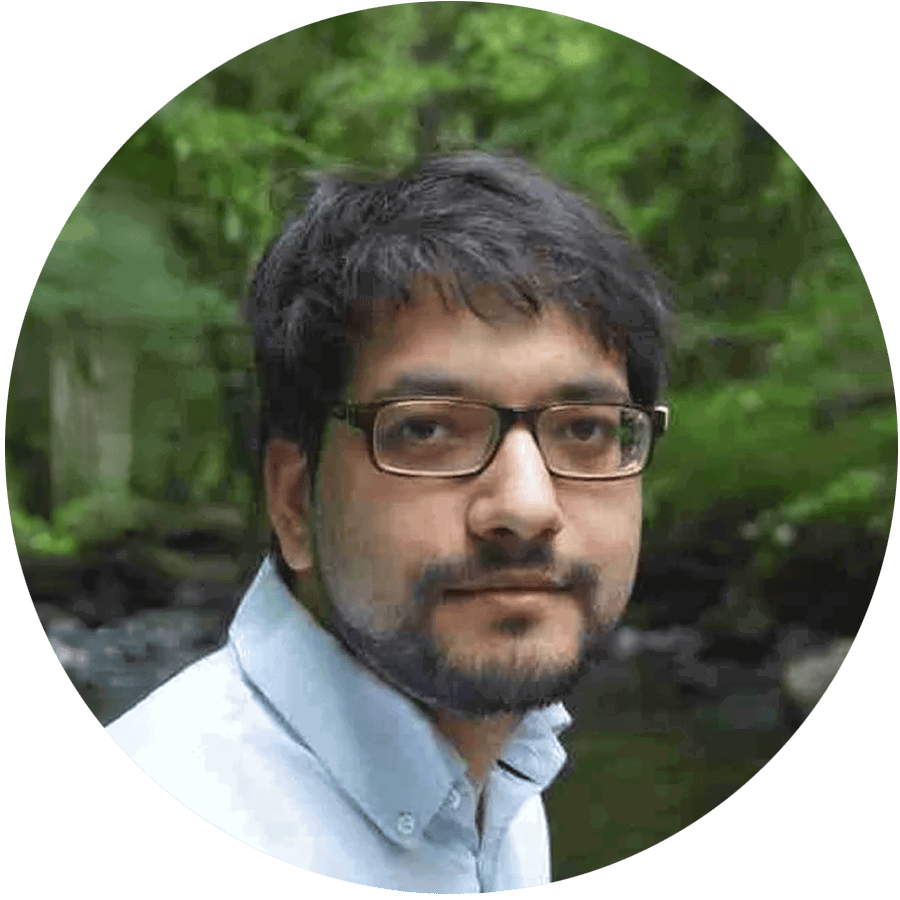
Dr Matishalin Patel is a Lecturer at the University of Hull specialising in artificial intelligence, computational biology, and mathematical modelling. His research combines game theory, ecological dynamics, reinforcement learning, and AI-driven simulations to address ecological and evolutionary questions.
In 2026, Matishalin collaborated with the Coexist Project to help build the dashboard used to visualise and analyse data collected by citizen scientists. He remains part of the Coexist Team as a project consultant.
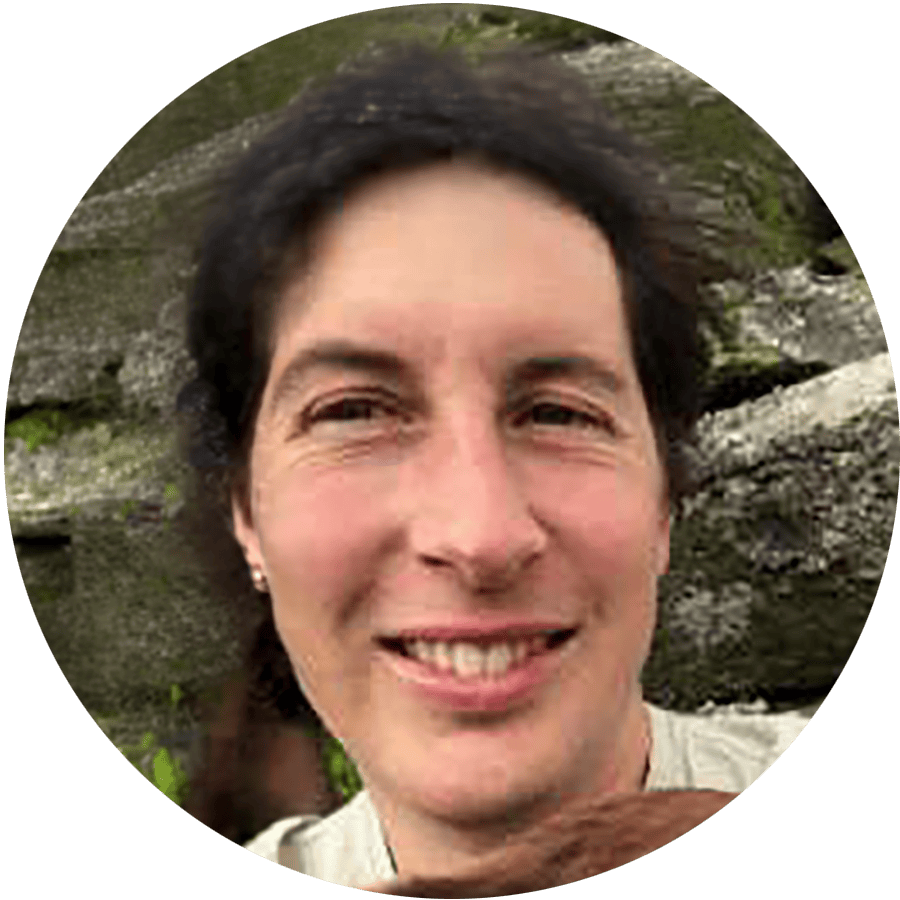
Prof Carl Soulsbury is a Professor of Animal Ecology at the University of Lincoln, with expertise in behavioural ecology, citizen science, and multi-variate statistical modelling. He leads a NERC-funded citizen science programme developing 'origami' eDNA sensors for real-time surveillance of invasive species.
Carl has published extensively on human-wildlife conflict and behavioural ecology, contributing to practical conservation interventions — including a national ban on the use of wildlife snares in Scotland.
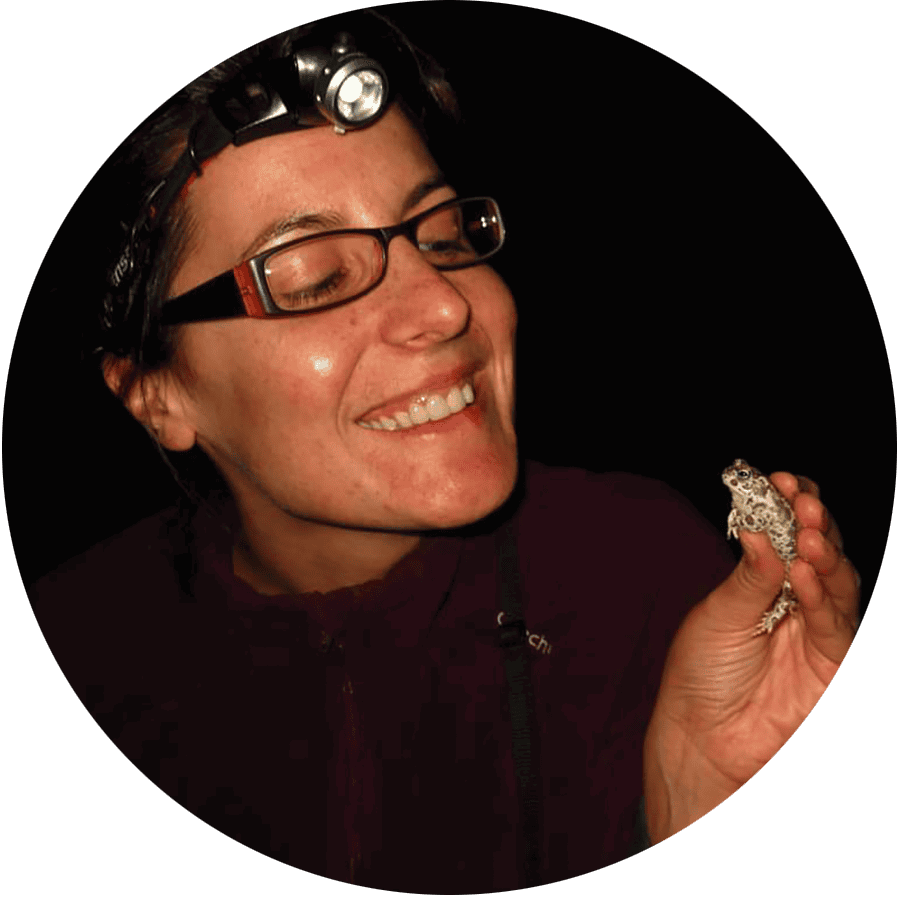
Dr Cátia Matos is a spatial ecologist and biodiversity scientist whose work explores how species respond to environmental change across landscapes and seascapes. As a Lecturer in Biological Sciences at the University of Hull, she combines biodiversity observations, Earth Observation data, ecological modelling, and connectivity analysis to understand species movement, habitat use, and ecosystem resilience.
Her research develops innovative approaches for biodiversity monitoring and forecasting, helping to bridge ecological science, conservation practice, and environmental decision-making. Through collaborations with national and international partners, she contributes to advancing biodiversity observation systems, habitat connectivity assessment, and evidence-based solutions for coexistence between wildlife and people.