Information for
Volunteers
Local volunteers — 'Citizen Scientists' — are invited to take part in the Coexist Project, helping us use cutting-edge technology, field methods, and community engagement to “take the pulse” on human-wildlife coexistence in the UK.
Who can volunteer?
To take part, you must meet the following criteria:

Be 18 years or older

Have access to a smartphone and computer for data collection
Be able to collect data in a private garden, local park or nature reserve

Be able to commit ~25 hours of your time in total
Physically able to work safely outdoors in variable weather

Have a keen interest in wildlife and outdoor activities
"Volunteers usually spend around 25 hours in total – broken into short, flexible sessions arranged to suit your availability each week.”"
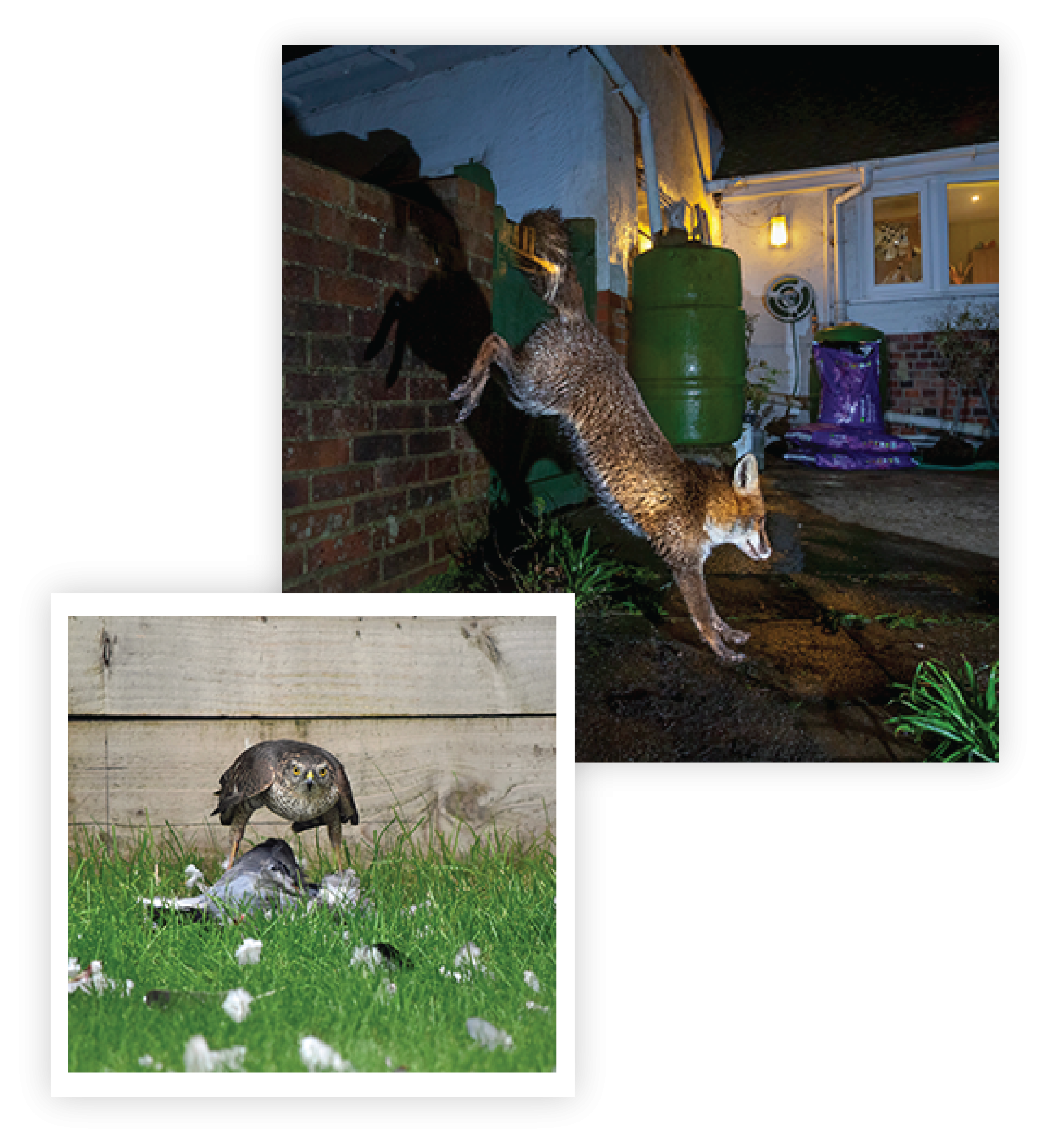
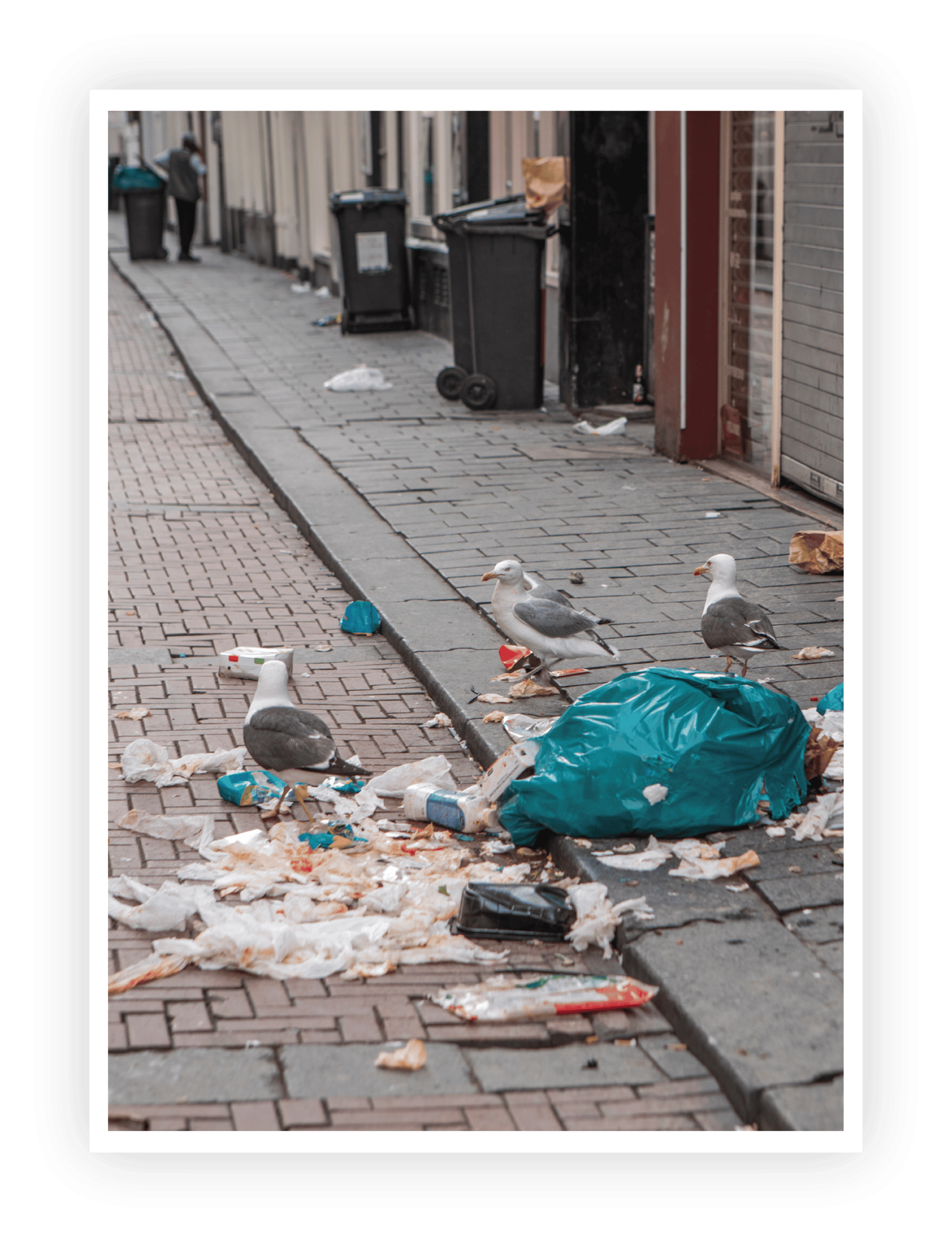
Make a real difference to local wildlife

Help local authorities and councils understand the lived experiences of people and wildlife sharing the same spaces

Gain hands-on experience in wildlife monitoring, citizen science and field methodology

See how data and technology are used to understand and improve human-wildlife coexistence

Develop practical skills and connect with like-minded volunteers in your community

Help inform effective, environmentally responsible strategies for people and wildlife living together
Collecting real-world evidence on the ground
Typical activities:
- Help collect data — either in your own garden or local park or nature reserve
- Wildlife monitoring — set up trail cameras, puzzle feeders, or acoustic recorders
- Community surveys — deliver 45 leaflets and encourage residents to complete a short online questionnaire
- Data entry — code and upload observations to a secure online dashboard
Typical timeline:
- Deploy equipment then retrieve it approximately 2 weeks later
- A few hours data entry (approximately 5 hours total, in short flexible sessions)
- Distribute flyers to local households within the same month
- Times arranged to suit your availability
- Modest travel compensation available
Depending on your availability, citizen scientists also have opportunities to participate in:
- Local ecological surveys, such as evaluating the prevalence of food, shelter, or other wildlife resources
- A one-hour online workshop to contribute your local knowledge regarding wildlife activity, landscape characteristics, and opportunities to improve coexistence
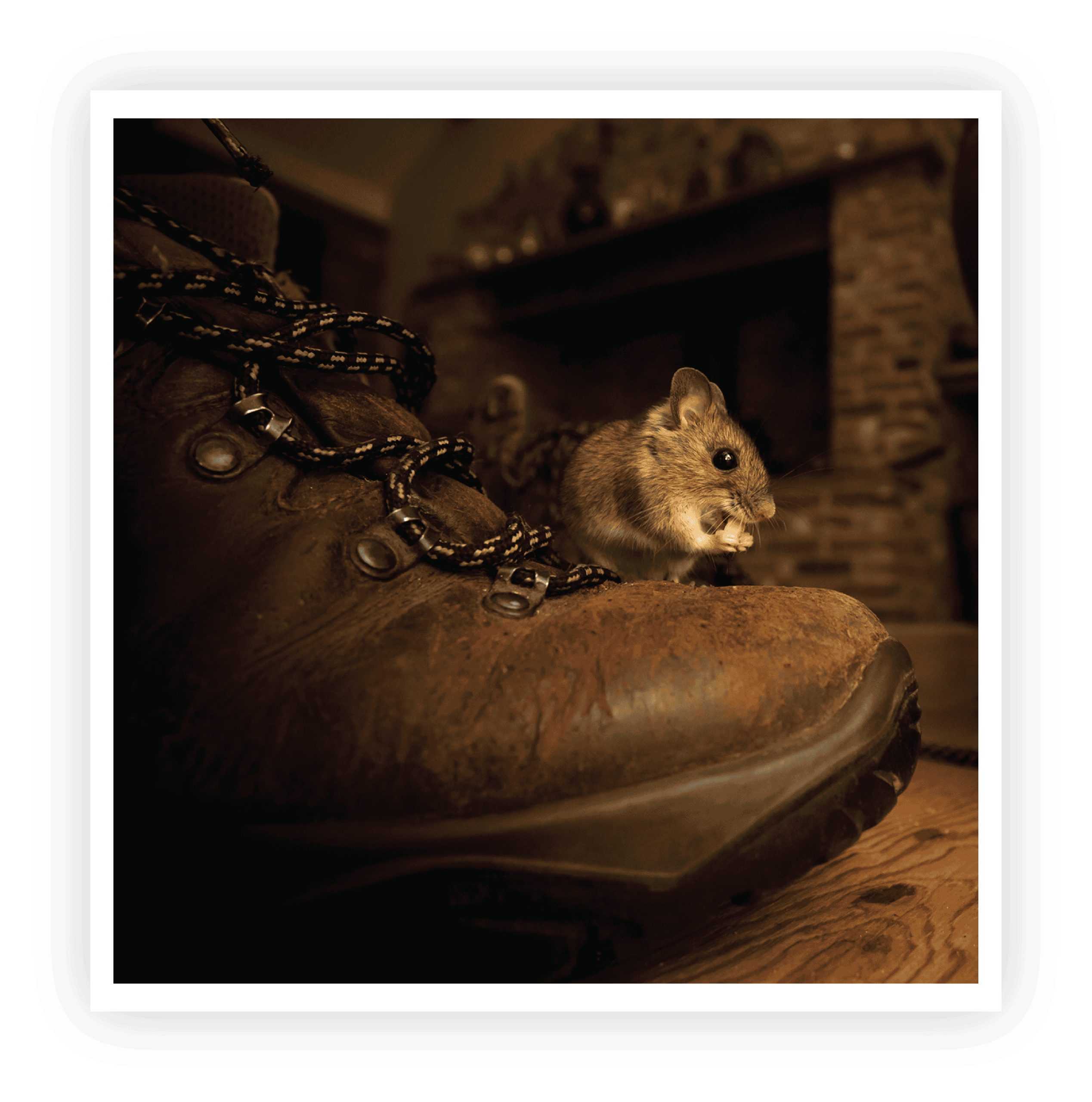
Tools you'll use in the field
Volunteers help collect data using a range of easy-to-use tools and approaches. All equipment and instructions are provided.

Record wildlife activity and movement in specific locations over time, generating reliable observational data on animal behaviour.
5 photos · 1 video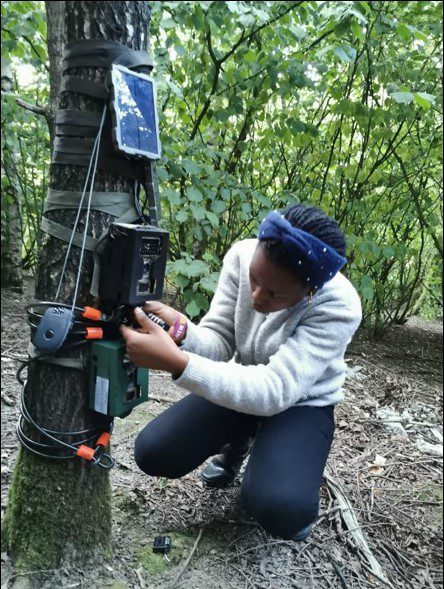
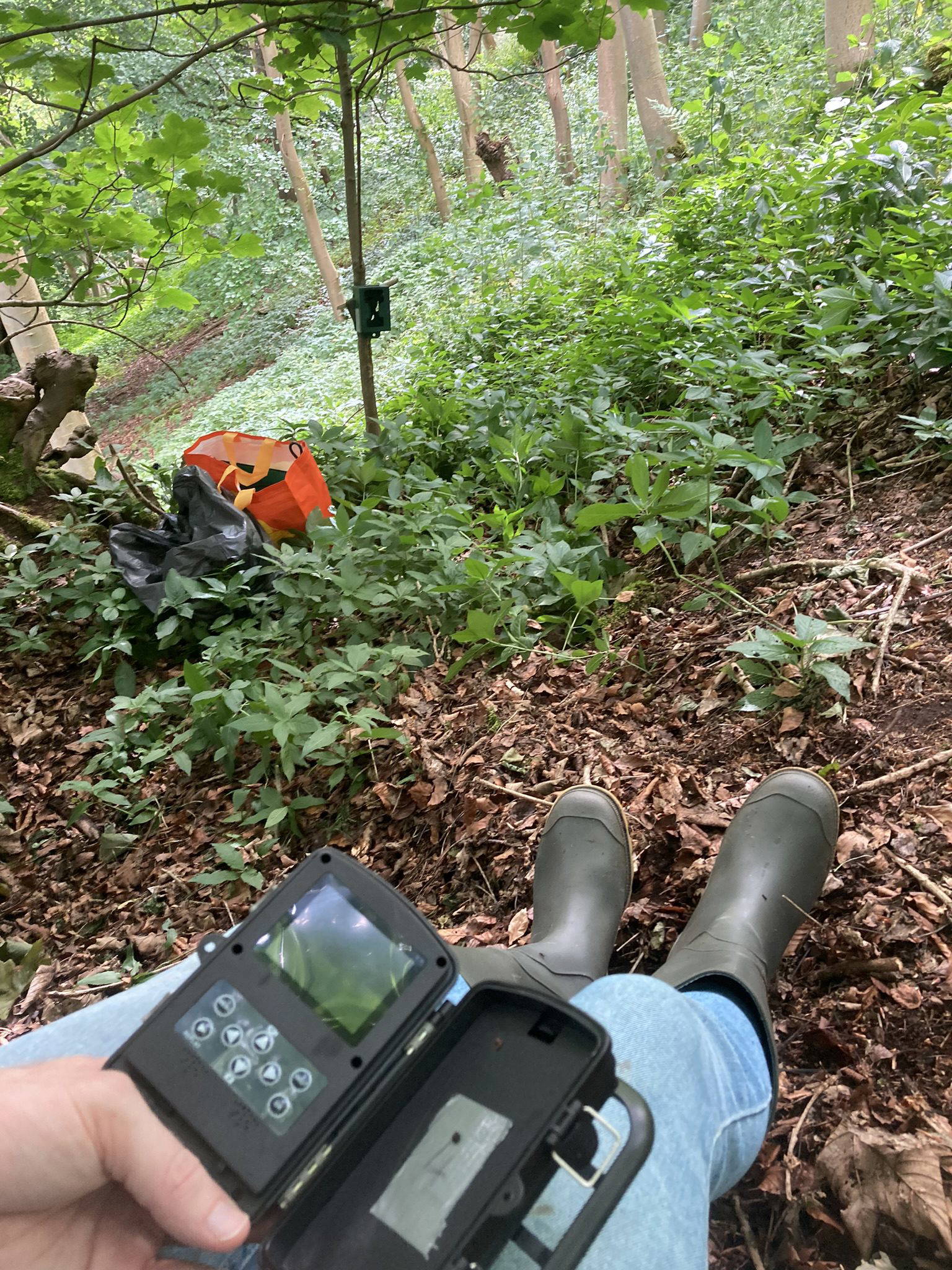
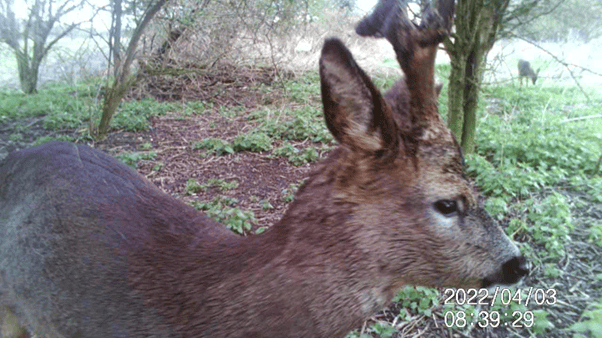
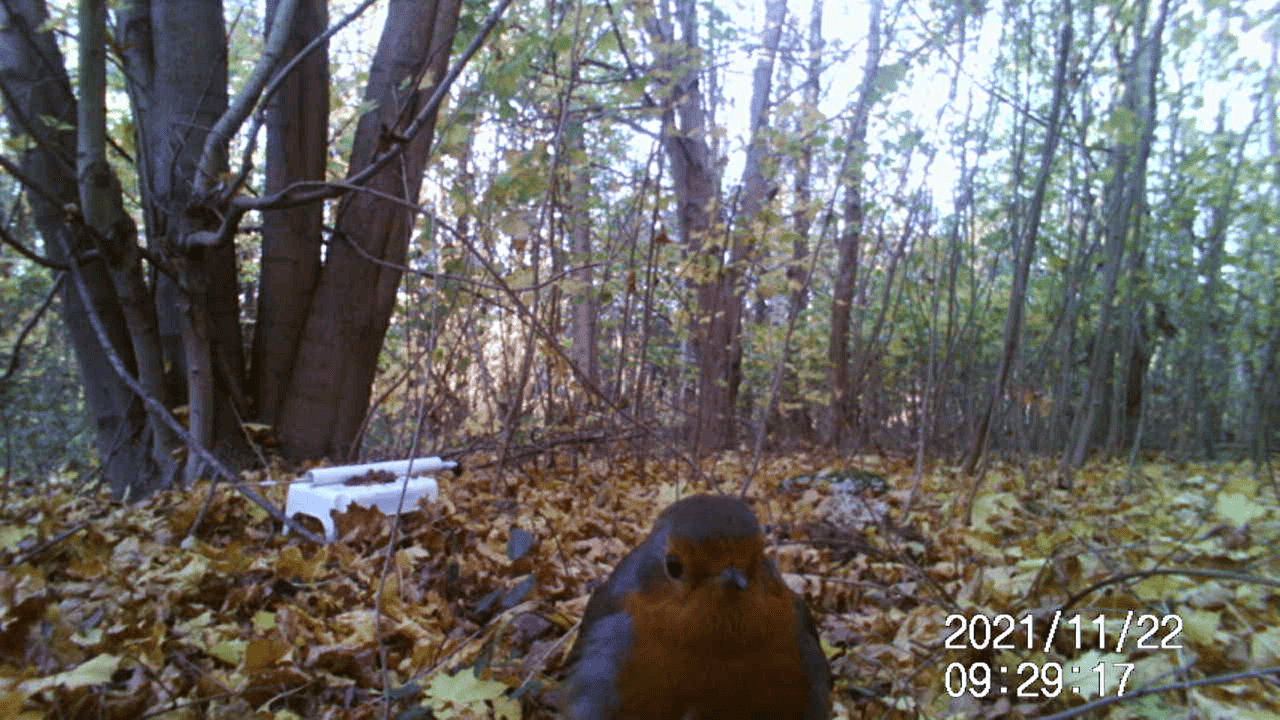
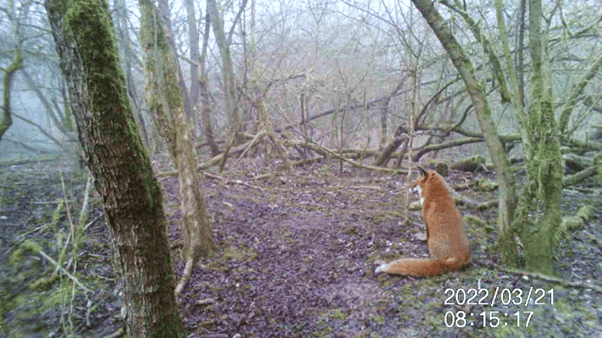

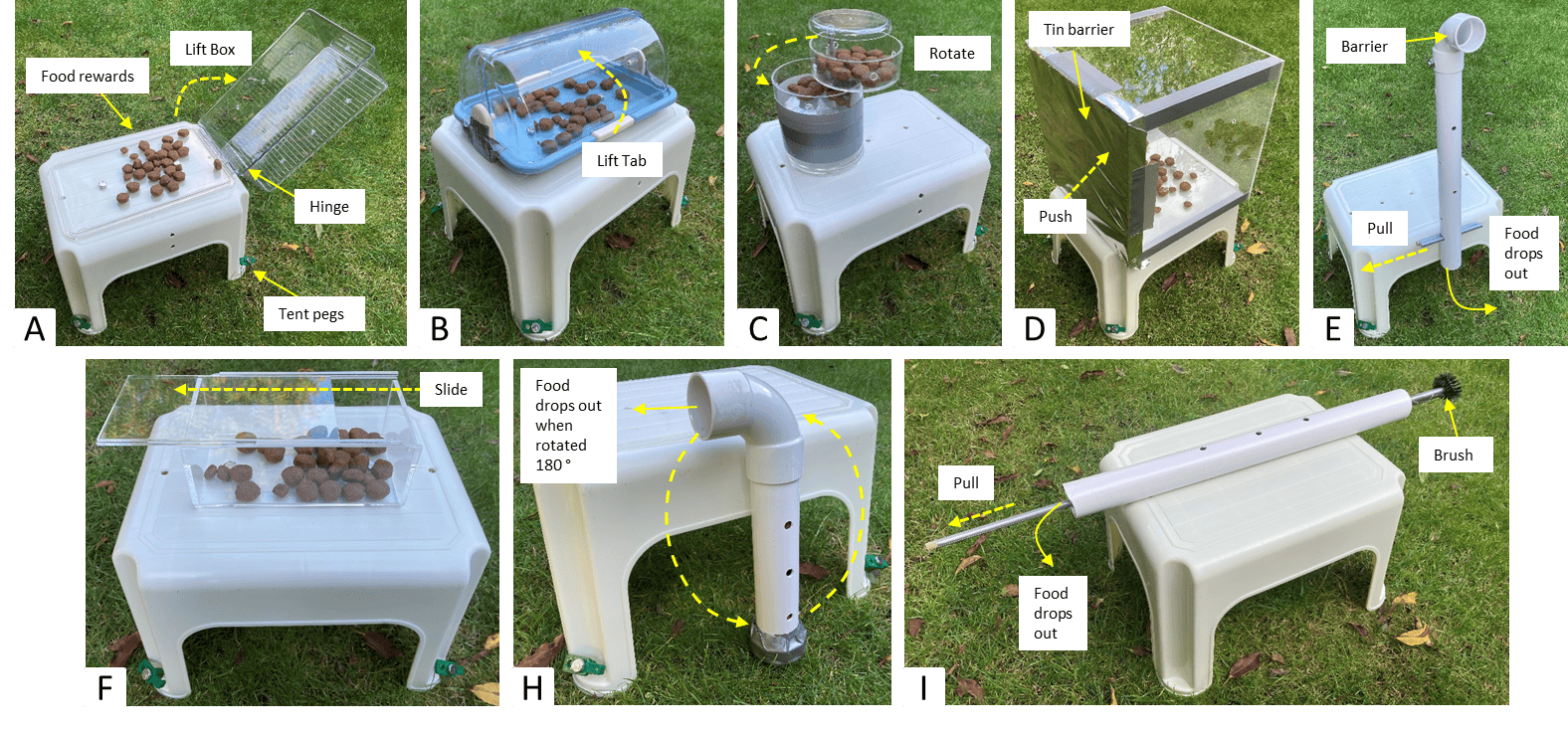
Measure behaviours used by wildlife to help them thrive — such as boldness, exploration, and problem-solving — in a controlled, non-invasive way.
2 photos · 3 videos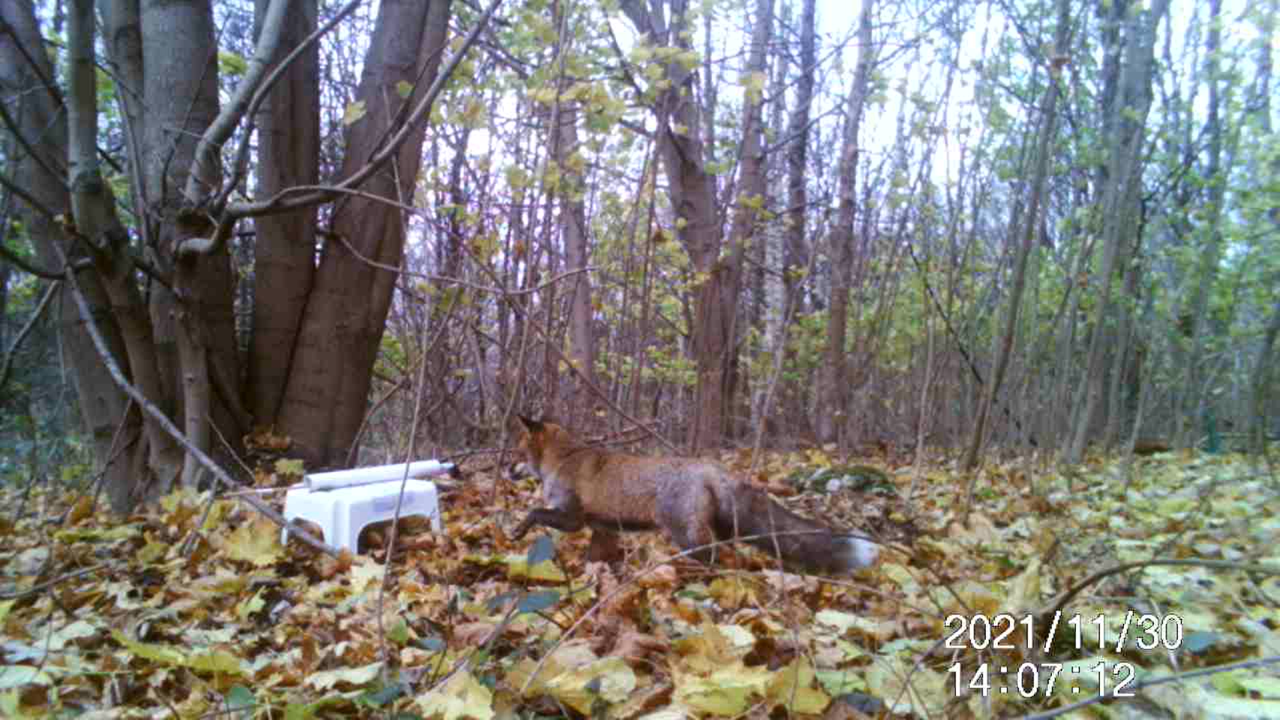

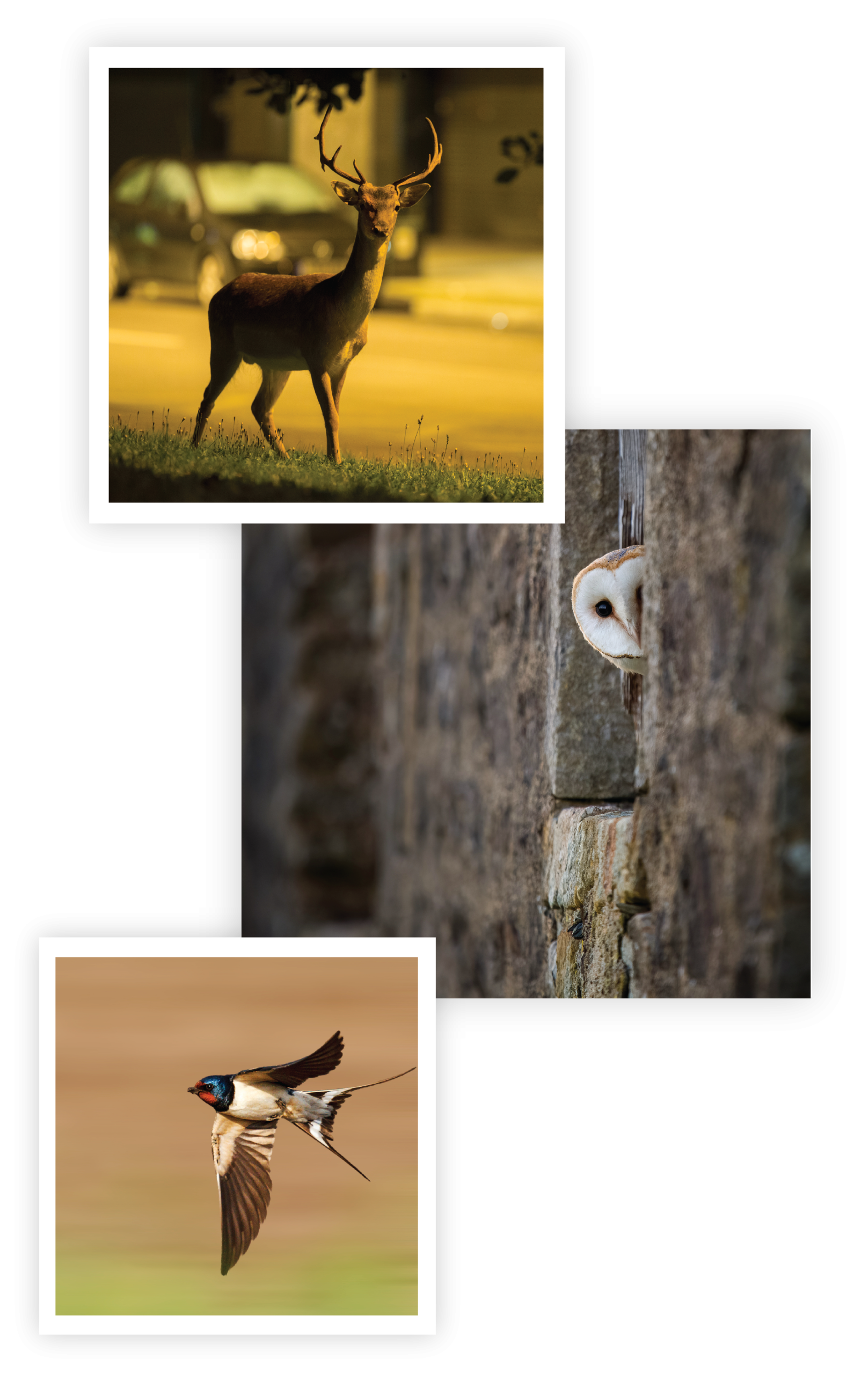
Compact audio recording devices that capture wildlife vocalisations and other sounds over time to build a picture of local wildlife presence and activity.

Deliver 45 leaflets and encourage residents to complete a short online questionnaire to gather attitudes, beliefs, and experiences about local wildlife from residents, as well as people's relationship with nature more generally (human-nature connectedness).

Deploy equipment then return to retrieve it approximately 2 weeks later to help record wildlife activity and behaviour directly in the field.

Enter and organise collected data using simple digital forms or spreadsheets, contributing directly to the Coexist Project database.
Everything you need to get started
Before starting fieldwork, all volunteers complete a short training period in their own time. The Project Team is available throughout for questions, guidance or any assistance.
Watch a series of short videos introducing how to use equipment safely and correctly, and how to record observations reliably and consistently.
Read and sign a Code of Practice covering ethical guidance, privacy rules, and data protection (including GDPR) while volunteering.
Receive a printed field guide containing step-by-step instructions, along with printed datasheets, 45 flyers to distribute in your community, and maps showing where to conduct surveys and distribute materials.
A member of our team will be available for questions and guidance throughout your time with us to ensure you always feel supported each step of the way. Volunteers are able to reach out to our Team via email, phone, text, or Microsoft Teams – whichever you prefer.
Collecting data ethically and responsibly
All volunteers are expected to follow a simple Code of Practice to ensure data are collected ethically, reliably, and responsibly. A signed copy of the Code of Practice must be returned before participation to acknowledge you have read and will follow all policies, including:
-

Follow all training instructions carefully
-
Do not disturb wildlife or damage habitats
-
Respect landowner permissions and access boundaries
-
Maintain privacy when working near homes or public spaces
-
Record data honestly and consistently
-
Handle equipment responsibly and return as instructed





Your observations drive real change
The information collected by volunteers is used to build a clearer picture of how wildlife and people interact across different environments. Researchers and local/national authorities use this to:
-
Identify where wildlife and human activities overlap
-
Understand public attitudes and perceptions of local wildlife
-
Detect patterns in wildlife behaviour and movement
-
Highlight areas where coexistence can be improved




All data are securely processed through our digital dashboard system — ensuring only high-quality, verified data are used for analysis.
As a volunteer, you can opt in to receive an annual newsletter from the Coexist Project, including updates on insights obtained from the data you helped to collect.
From local data to national policy
Findings from the citizen science programme are shared with local and national authorities, conservation organisations, and community partners through workshops, publications, conferences, and public engagement.
These activities bring together stakeholders, present key findings, and explore how results can inform local community and environmental planning.
"The goal is to build a practical, evidence-based road map to support coexistence between wildlife and people."